
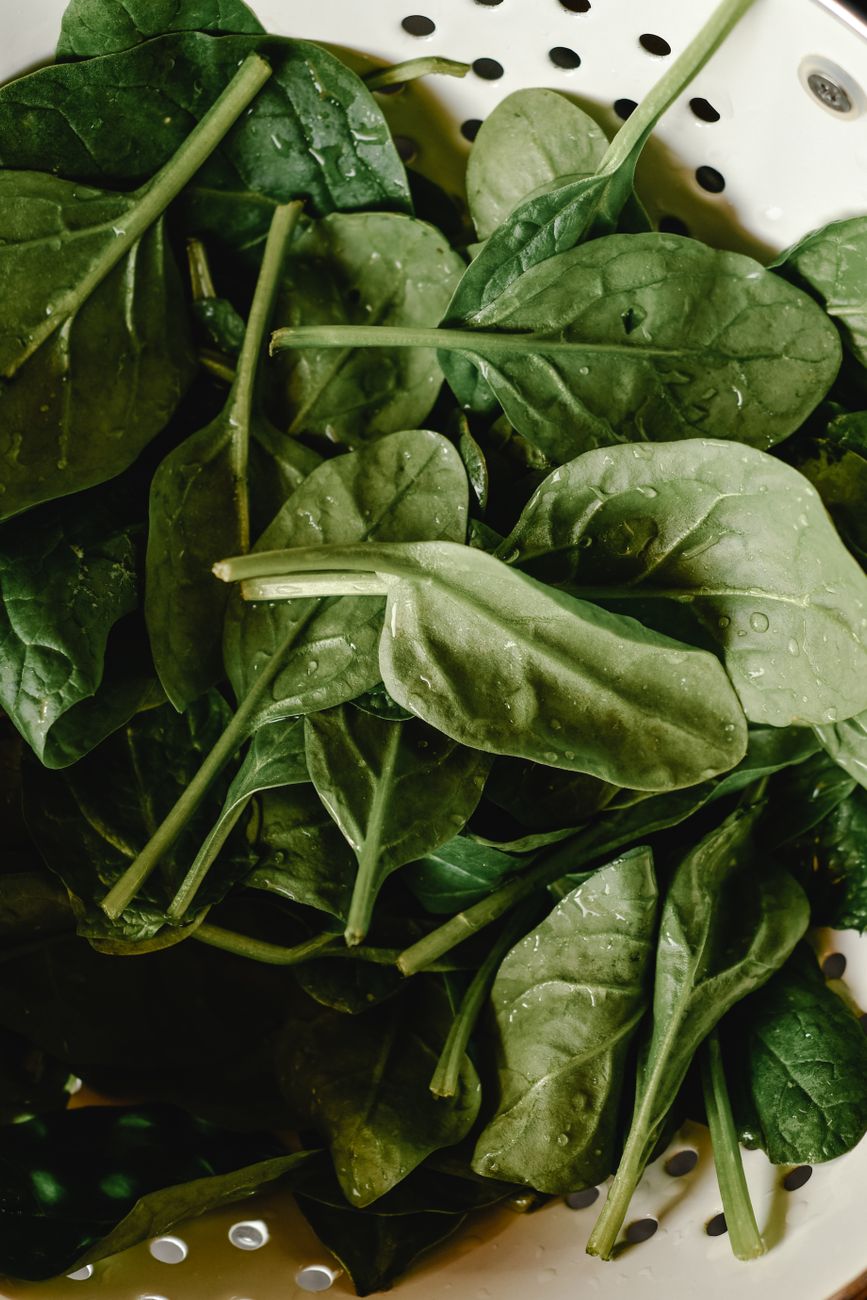
What if some of the foods helping you lose weight were also quietly contributing to your pain?
A few years ago, I never would have asked myself that question.
In fact, I thought I was doing everything right.
My Health Transformation Started with Doing the Right Things
Around 2018, I got serious about improving my health.
I started pushing processed foods, sugar, and grains out of my diet. In their place came more fresh vegetables, quality meats, nuts, seeds, and spices that many health experts consider superfoods.
My daily routine looked something like this:
- Large spinach salads
- Almond butter on celery
- Almond milk
- Generous amounts of nuts
- Ginger root
- Turmeric root
- Cinnamon in my nightly drink
The results were incredible.
I lost fat.
My energy improved.
I felt better than I had in years.
For several years, I thought I had found the perfect formula.
Then things started changing.
The Symptoms Arrived So Slowly I Barely Noticed
This is what made the whole experience so difficult to recognize.
Nothing happened overnight.
There wasn’t a dramatic event where I suddenly felt sick.
Instead, symptoms showed up one tiny piece at a time.
My joints started hurting.
My feet and toes occasionally felt numb or tingly.
My legs didn’t seem to perform as well when jogging.
Recovery became slower.
Eventually, my right wrist became a constant source of frustration.
Simple activities like pushing in a chair or twisting my wrist caused weakness and discomfort.
At one point, I stopped exercising because I assumed I had injured myself.
Weeks passed.
Nothing improved.
Something wasn’t right.
The Podcast Episode That Changed Everything
One day I stumbled across an interview with Sally Norton.
At the time, I had heard the word “oxalates” before, but never paid much attention to it.
Like most people, I assumed that if a food was considered healthy, more was probably better.
After hearing her speak, I purchased her book, Toxic Superfoods.
Within the first few pages, I found myself questioning foods that I had been eating every single day for years.
Then something happened that accelerated my interest dramatically.
The Day My Arm Went Pop
I was picking up a package from my front porch.
It wasn’t heavy.
Maybe five to ten pounds.
As I lifted it from the concrete, I felt and heard a pop near my elbow.
Then another.
Then another.
Pain shot through my arm.
I later concluded that I had likely torn a tendon somewhere along my bicep and forearm area.
What shocked me wasn’t the injury itself.
It was how little force was involved.
This wasn’t a deadlift.
This wasn’t a heavy workout.
This was a small package.
That’s when I knew something deeper was going on.
What Are Oxalates?
Oxalates are naturally occurring compounds found in many plants.
According to Sally Norton and other researchers studying oxalates, these compounds can accumulate in the body over time in susceptible individuals.
Foods often considered healthy that can contain significant amounts of oxalates include:
- Spinach
- Almonds
- Almond butter
- Almond milk
- Celery
- Turmeric
- Ginger
- Certain spices
- Beets
- Sweet potatoes
Many people consume these foods without issue.
Others may struggle with excessive intake over long periods of time.
Some researchers believe oxalate accumulation may contribute to:
- Joint discomfort
- Kidney stones
- Tissue irritation
- Nerve symptoms
- Fatigue
- Various inflammatory issues
This was the first explanation that connected all the dots for me.
Rethinking Everything I Thought I Knew
The hardest part wasn’t learning about oxalates.
The hardest part was accepting that foods that helped me escape the Standard American Diet might also be contributing to my current symptoms.
I loved these foods.
They helped me lose weight.
They helped me improve my energy.
They represented progress.
But I couldn’t ignore what my body was telling me.
So I began slowly removing many of the high-oxalate foods I was eating daily.
The Recovery Was Not Fast
Honestly, this was frustrating.
I wanted immediate results.
Instead, improvements came slowly.
Very slowly.
Week by week, I noticed tiny changes.
My joints hurt less.
My wrist became stronger.
The tingling decreased.
My recovery improved.
At times the progress was so subtle that I wondered if I was imagining it.
But I kept going.
Today, roughly a year and a half later, I would estimate that I’m about 90% improved.
My wrist still occasionally reminds me that healing is a process.
My tendon continues getting stronger.
I’m doing pullups again.
I’m exercising again.
And most importantly, I’m learning.
The Lesson I’ll Never Forget
One of the biggest lessons I’ve learned is that health is rarely black and white.
The same foods that helped solve one problem may create another when consumed excessively over long periods.
Health isn’t about finding a perfect food.
It’s about understanding principles.
It’s about paying attention.
It’s about listening when your body starts whispering before it begins screaming.
This experience reminded me that our ancestors likely consumed many foods seasonally.
Today, we can eat the same foods every day, year-round, often in quantities that would have been impossible throughout most of human history.
That reality deserves consideration.
My Final Thoughts
I’m not telling everyone to stop eating spinach.
I’m not saying almonds are evil.
I’m simply sharing my experience.
For me, learning about oxalates helped explain symptoms that had puzzled me for years.
And that’s why I continue reading books, listening to experts, interviewing guests, and testing ideas in my own life.
Because every once in a while, you discover a piece of information that changes everything.
And sometimes, the answer is hiding in the last place you’d expect: the foods you thought were helping you.
Want to Learn from People Who Have Reversed Their Health Problems?
One of my favorite things to do is sit down with people who have overcome serious health challenges through changes in diet, lifestyle, movement, sleep, fasting, and other natural health strategies.
On the Wild Primal Health Podcast, I interview everyday people and experts who have transformed their health and discovered what actually works in the real world.
If you’re interested in building a body that disease hates and learning from people who have successfully improved their health, I’d love for you to listen in.
You don’t have to spend years sorting through the noise alone. Learn from people who have already walked the path.
Discover more from Wild Primal Health
Subscribe to get the latest posts sent to your email.

